
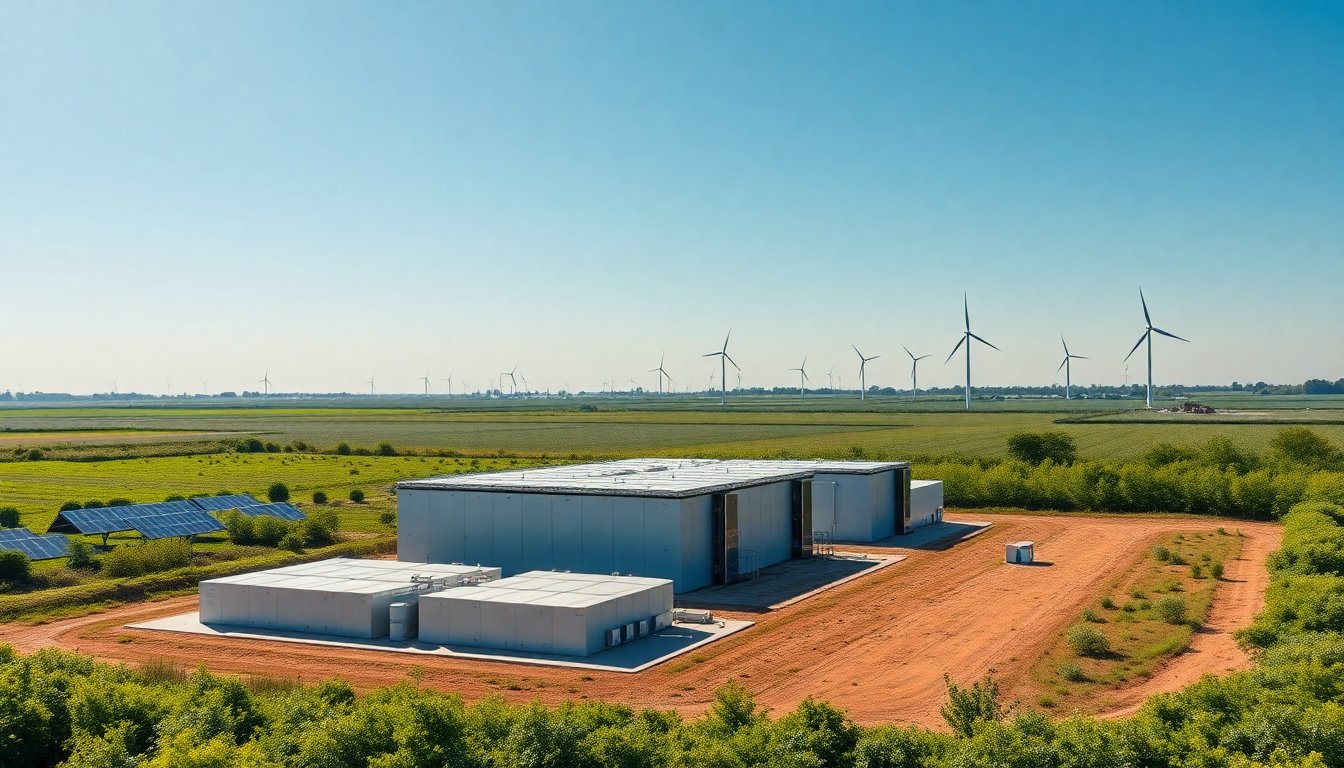
The Netherlands stands at a crucial juncture in its pursuit of sustainable energy solutions. As the country aims to transition towards greener energy sources, the emphasis on effective energy storage has never been more pronounced. The advent of mega-batteries has emerged as a pivotal element in this journey, addressing the challenge of storing renewable energy for future use.
However, the current landscape reveals a stark reality: the availability of these essential storage solutions is still limited and their costs remain high. This article delves into the pressing need for mega-batteries in the Netherlands, the implications for the energy market, and the socio-economic factors intertwined with this technological advancement.
The significance of mega-batteries
As renewable energy sources like solar and wind become increasingly prevalent, the demand for efficient storage mechanisms grows. Mega-batteries offer a potential solution by providing the capacity to store large quantities of energy generated during peak production times, such as sunny or windy days.
This stored energy can then be released during periods of high demand or when production dips, ensuring a stable energy supply.
In a country like the Netherlands, where the transition to green energy is a national priority, the ability to store this energy efficiently is crucial.
The development of mega-batteries could enable the country to meet its energy needs without relying heavily on fossil fuels, thus reducing overall carbon emissions.
Challenges in implementation
Despite the clear benefits, the deployment of mega-batteries faces significant hurdles.
One of the primary challenges is the cost associated with their production and installation. Currently, the prices of mega-batteries are high, which can deter investment and slow down the transition to renewable energy solutions.
Furthermore, the technology itself is still evolving, and the infrastructure required to support these systems is not yet fully developed. Consequently, stakeholders must consider both the financial and logistical aspects of integrating mega-batteries into the existing energy framework.
Social implications in urban areas
As the capital city, The Hague has become a focal point for discussions surrounding homelessness and social welfare. Recent statistics indicate that approximately 1.4% of the city’s population is without permanent housing, a situation that affects many, including around 1,000 children. The intertwining of social issues with energy policies highlights the need for comprehensive solutions that address both energy storage and community welfare.
Furthermore, the broader implications of energy storage on urban living are significant. The availability of reliable energy sources through mega-batteries could improve the quality of life in cities by reducing power outages and enhancing the efficiency of public services.
Political landscape and energy debates
In the political realm, the topic of climate change and renewable energy has become increasingly contentious. The political party Volt, for instance, has chosen to abstain from debates with groups that deny climate change, such as the far-right Forum for Democracy (FvD). This decision underscores the growing divide in public discourse regarding environmental policies and the urgency of addressing climate change.
As the nation heads towards elections, political parties are grappling with public sentiment and the potential ramifications on their platforms. The ruling party, the VVD, is reportedly facing a decline in support, a trend that could impact how energy policies are shaped in the future.
Tragic incidents and their impact
Amid discussions of energy and social issues, recent tragedies have also shaken cities like Amsterdam. Following a devastating fire that rendered all apartments in a complex uninhabitable, investigations are underway to determine whether foul play was involved. Such incidents not only highlight the vulnerabilities in urban infrastructure but also emphasize the need for enhanced safety measures and reliable energy sources.
In parallel, cultural engagement continues to thrive, as evidenced by the rising popularity of the Museumkaart, which grants access to numerous museums across the nation. This cultural initiative serves as a reminder of the importance of enriching community life, even amid challenges.
In conclusion, the Netherlands is at a critical juncture, where the need for mega-batteries to store green energy aligns with broader social and political challenges. As the nation strives to harness renewable energy, it must also confront the implications for its citizens and urban environments, ultimately paving the way for a more sustainable future.